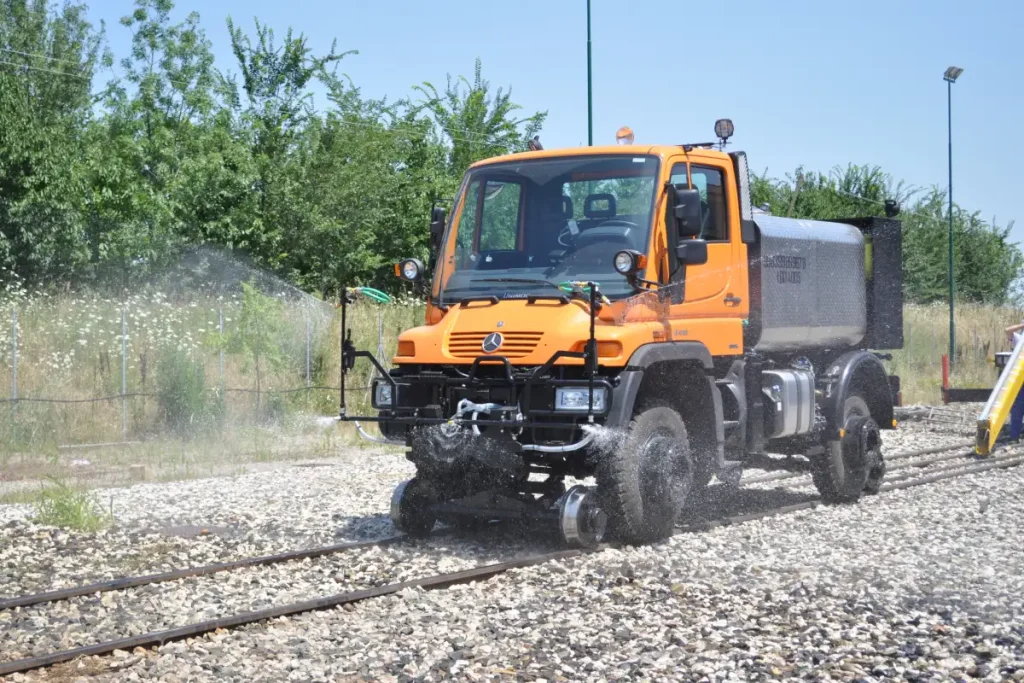
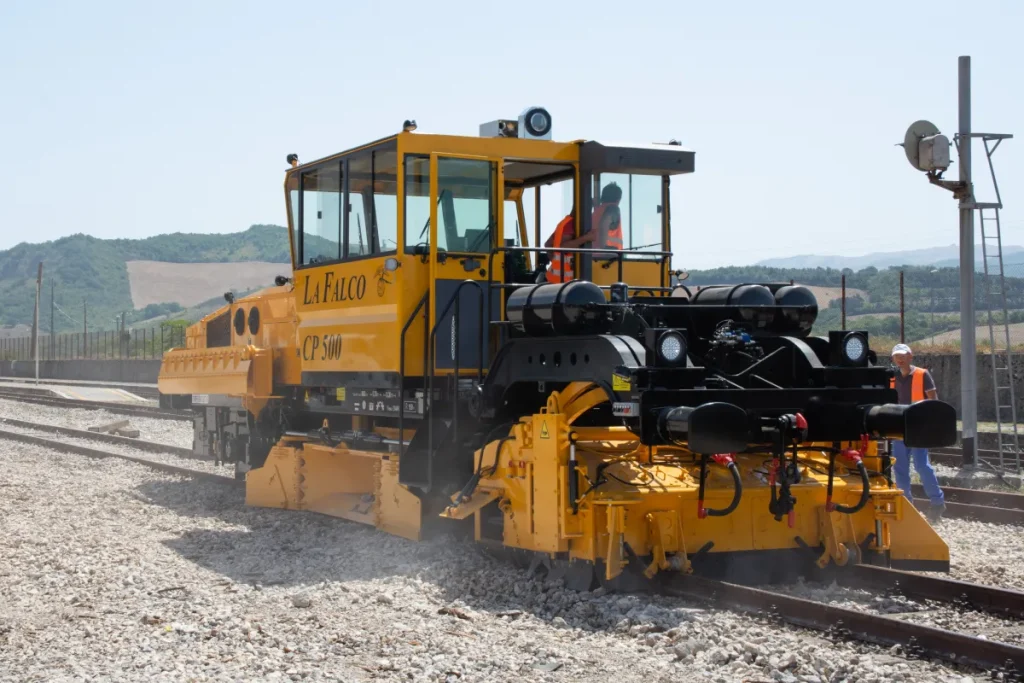
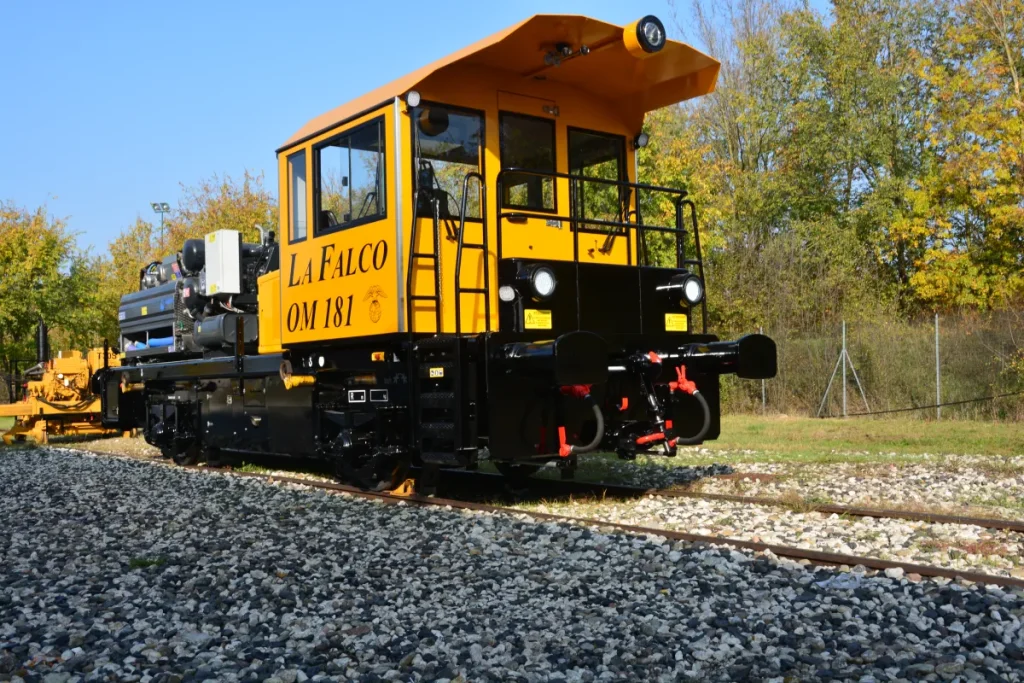
Meet both versatility and high-performance at the same time in our Hi Rail Excavator.

Hi rail excavator is a versatile machine capable of operating on both rail and road. This super-efficient railway vehicle is provided with a full range of tools and attachments, enabling various types of construction and maintenance operations. The perfect harmony of size and compactness allows our railway excavator to be the best solution for challenging projects.

Technical Specifications |
ENZO | GF13 | GF22 | J882 |
|---|---|---|---|---|
| Max. Engine Power | 160 kW at 2300 rpm | 95 kW at 2300 rpm | 105 kW at 2300 rpm | 147 kW at 2300 rpm |
| Max. Loading Capacity | 10,000 kg | 5,100 kg | 5,600 kg | 8,200 kg |
| Max. Speed | 30 km/h | 20 km/h | 30 km/h | 30 km/h |
| Rotation Angle | 360° Continuous | 360° Continuous | 360° Continuous | 360° Continuous |
| Datasheet | Datasheet | Datasheet | Datasheet |
Set the operation mode of the hi rail excavator whether it is supposed to operate on rail or road.
Choose the right attachment based on the type of operation and task and attach it to the railway excavator.
Start the task efficiently and smoothly. The road-rail mode and attachment of the high rail excavator can be changed during operation if needed.
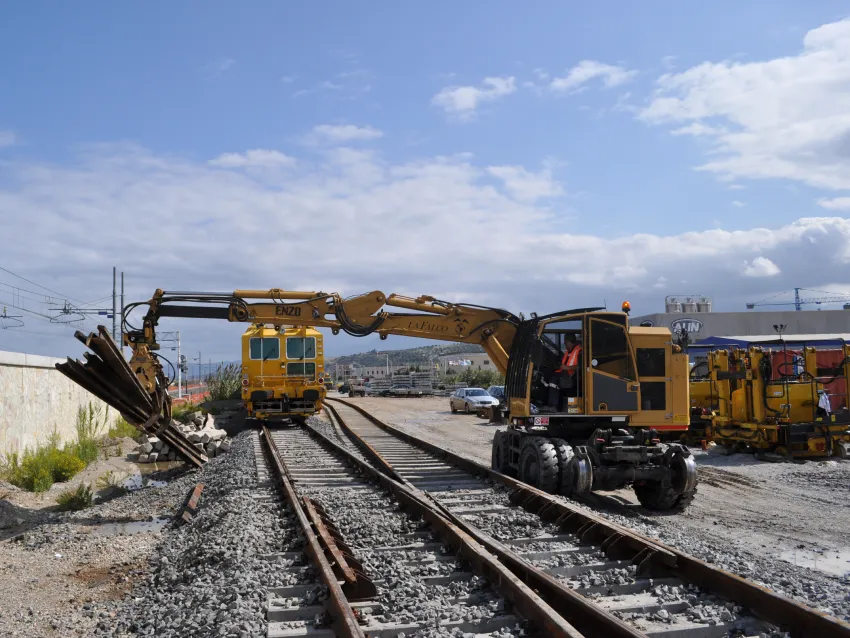
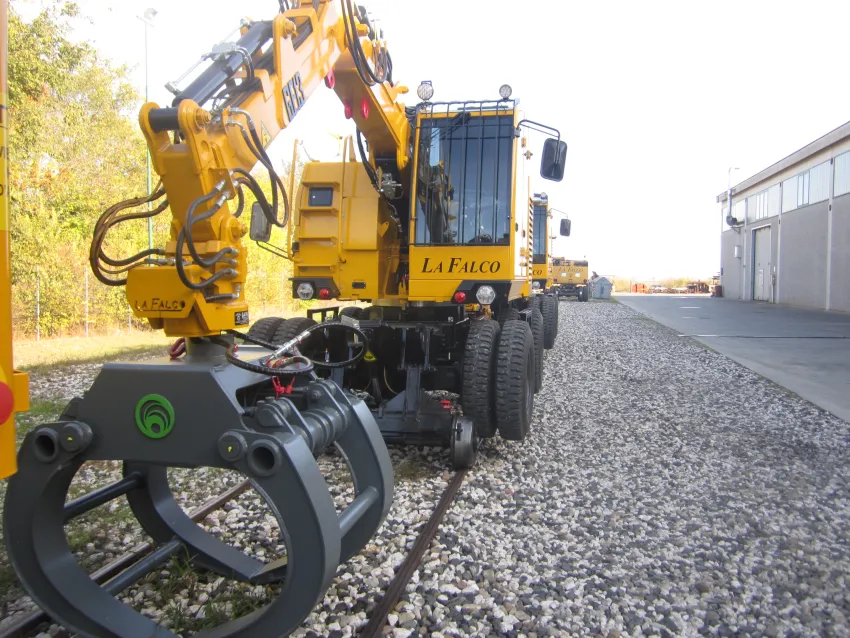
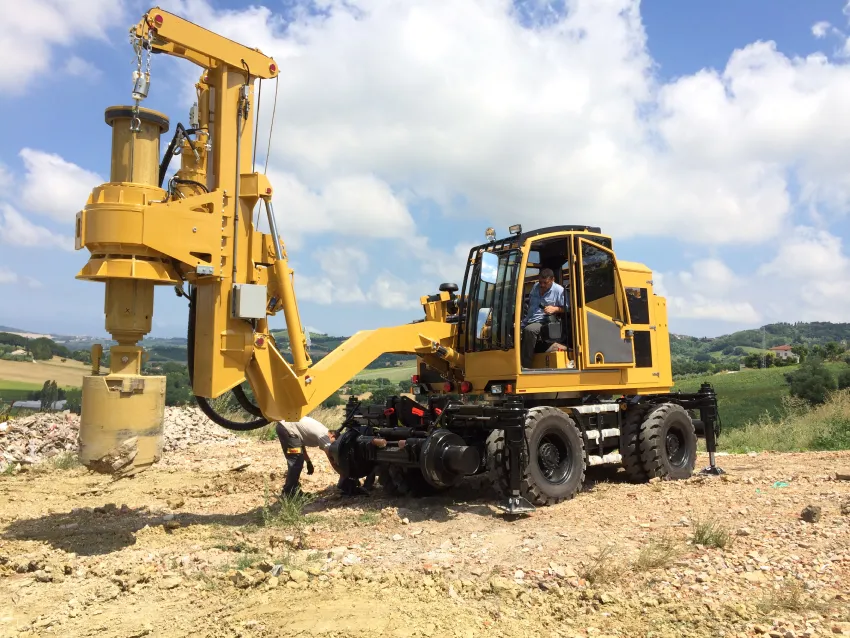
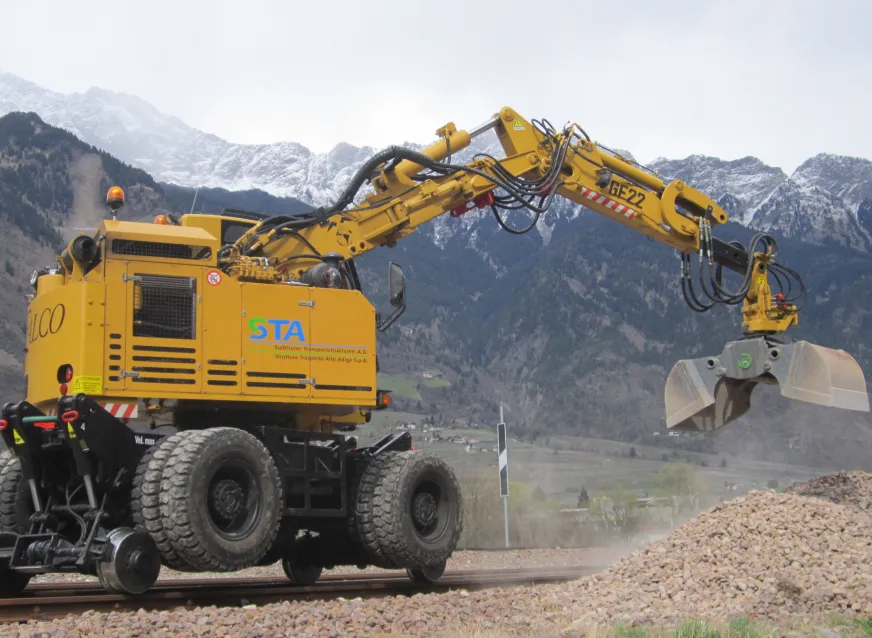
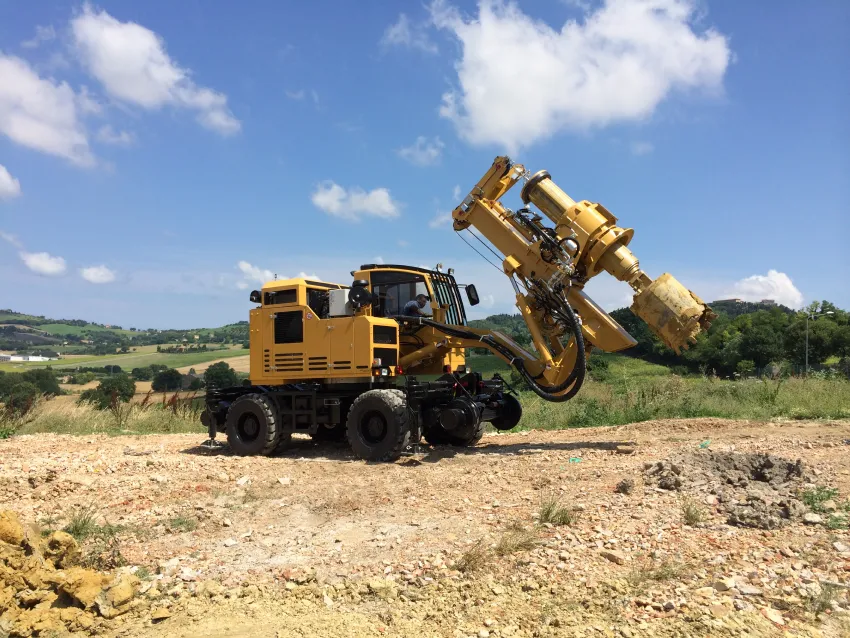
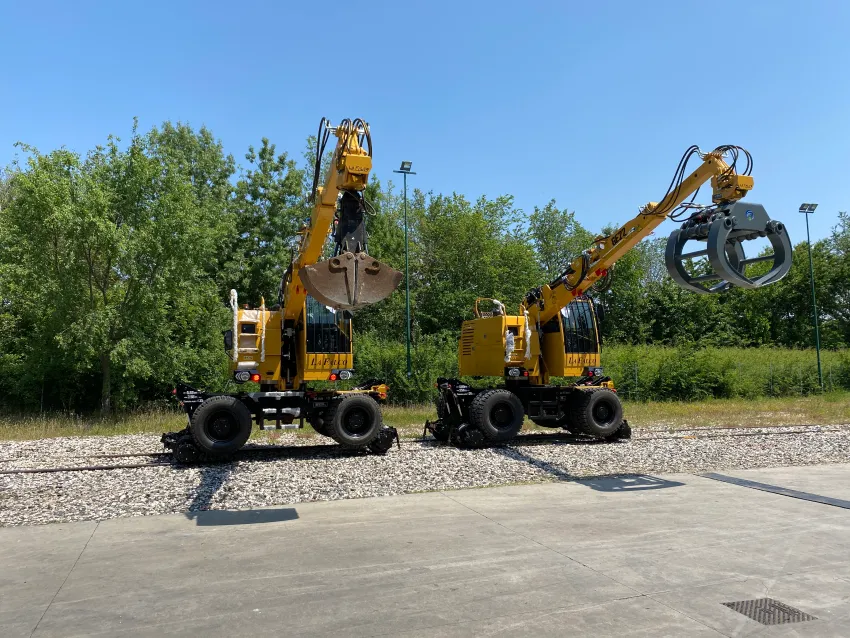
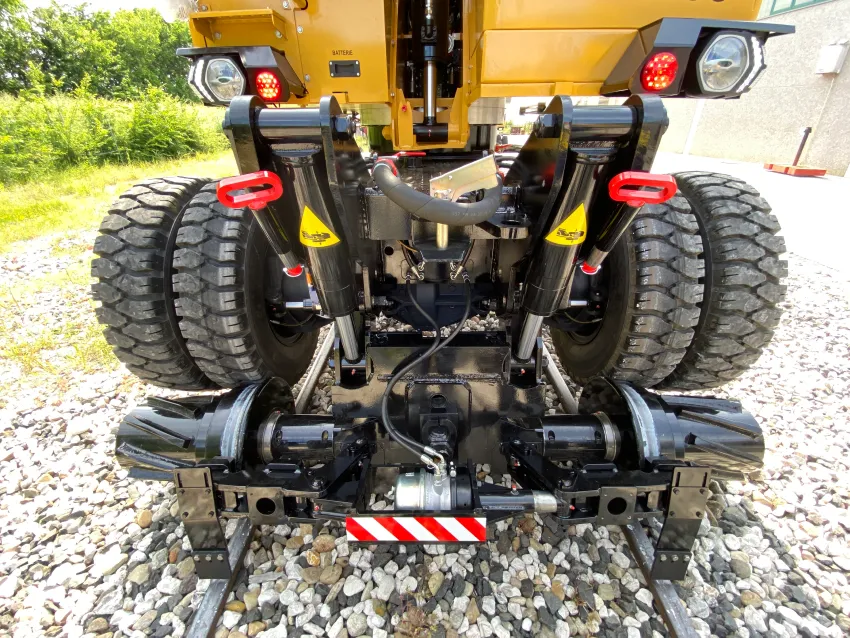
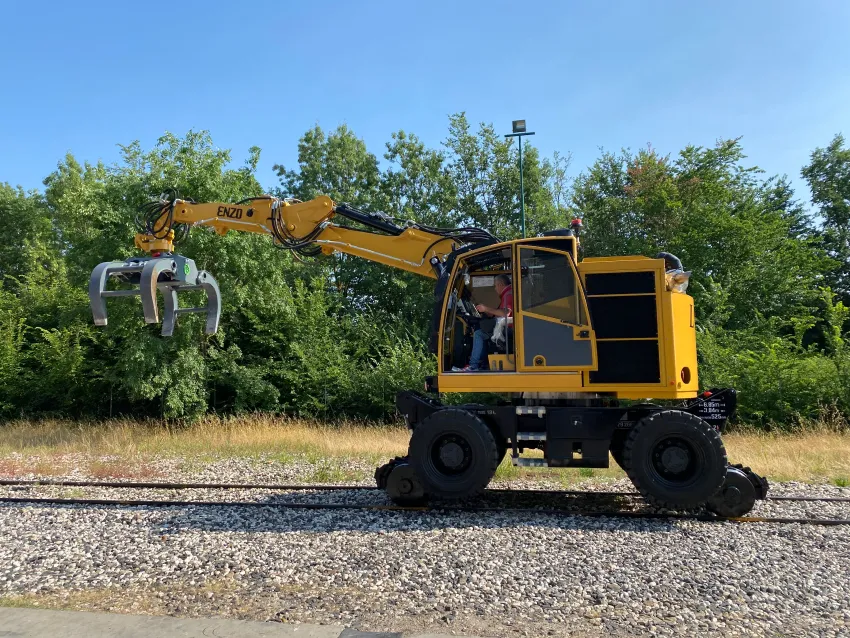
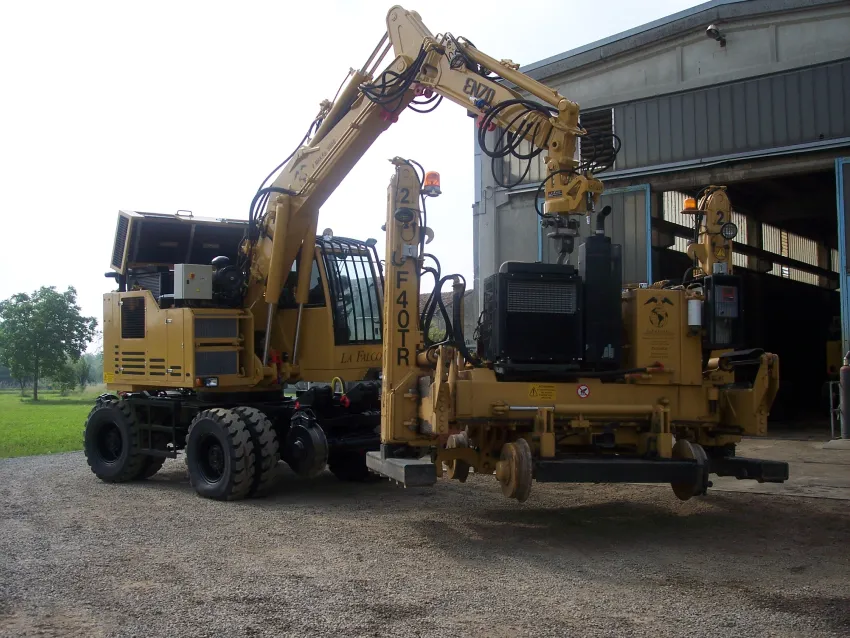

Hi rail excavator is designed with tracks to provide stability, stronger traction, and improved performance, allowing better handling and safety.
ADOR Tech provides fully customizable design for its railway excavator to meet demands of Canadian environmental and operational conditions.
Hi rail excavator price highly depends on its design, customizability, and add-on features.
Hi rail excavator is a versatile road rail machine that is generally used in railway construction and large-scale maintenance projects. This railway vehicle is designed with dual mode mobility, capable of operating in both road and rail. Provided with a diverse range of tools and attachments, railway excavator can perform different types of operations and tasks. The most common operations of a railroad loader are as follows:
Road rail excavator, also commonly known as hi rail excavator or railway excavator, provides high versatility because of its wide range of tools and attachments. It is efficiently equipped with attachments to maximize the operational performance. High rail excavator attachments typically include different types of buckets, grapples, clamps, compactors, hydraulic tools, drills, lifting tools, and other rail tools. ADOR Tech offers a significantly diverse range of tools and attachments for its hi-rail excavator, making the vehicle more efficient than it is already.
Railway excavator is designed in different models based on the engine power, lifting capacity, and other technical specifications. ADOR Tech provides four models of hi rail excavator: GF13, GF22, J882, and ENZO. Each model is engineered to bring maximum operational efficiency in different conditions and demands. However, all of them offer hydrostatic transmission with dynamic torque control (DTC), and dynamic stability control (DSC) for more smoother operations.
Hi rail excavator is a versatile vehicle that plays a critical role in construction and maintenance of railroads. So, in other words, the efficiency of the railway excavator relies on why railroads are important? Railroads are the main network of railway transportation, where any failures can put safety and operational integrity in danger. Accordingly, construction and maintenance of railroads is crucial. This is why choosing the right high rail excavator becomes priority before anything. Hi-rail excavator is typically provided in different models based on design and technical specifications. To choose the right railway excavator or railroad loader, the first step is to identify the challenges of the project. At ADOR, we look for the potential challenges and blockages of the railway project initially to ensure that our solution will meet all the requirements and demands in the most efficient way. Afterward, it is turn of choosing a hi rail excavator that not only provides maximum performance and efficiency but also address the project’s needs and challenges.