Keep the marinas safe and clear with Waterway Barrier.

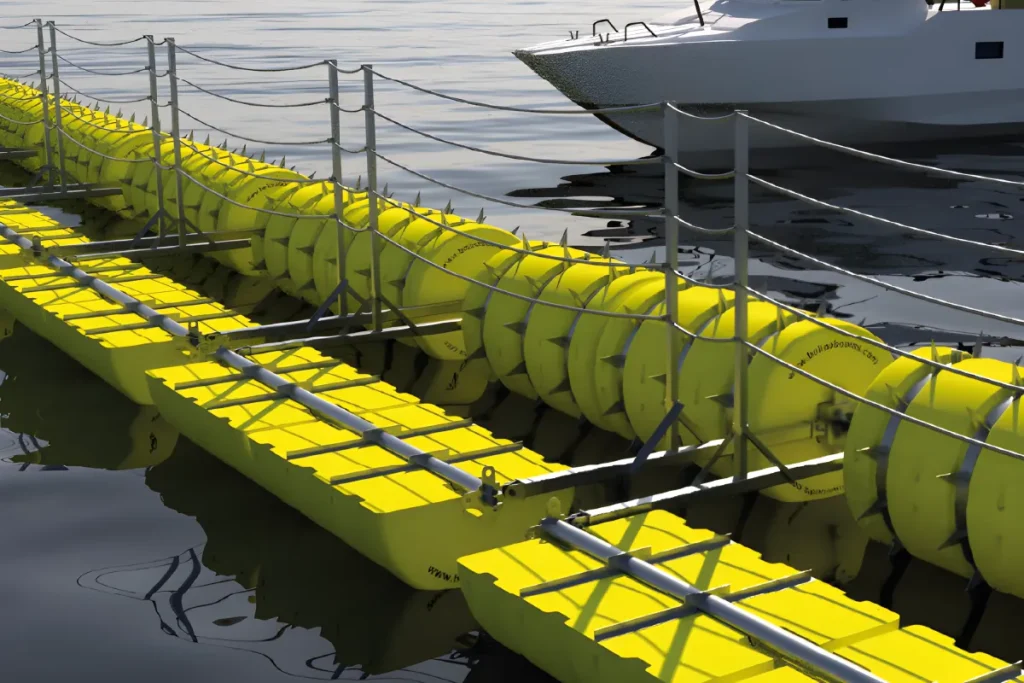
Waterway Barrier is a floating boom that creates a safety boundary to keep the watercrafts away from specific zones. Designed with highly resistant float units, these waterway barriers ensure preventing any size of watercraft from passing through, even in cases where they crash into the boom.


Stop canoe and small craft

A boundary for various types of watercrafts

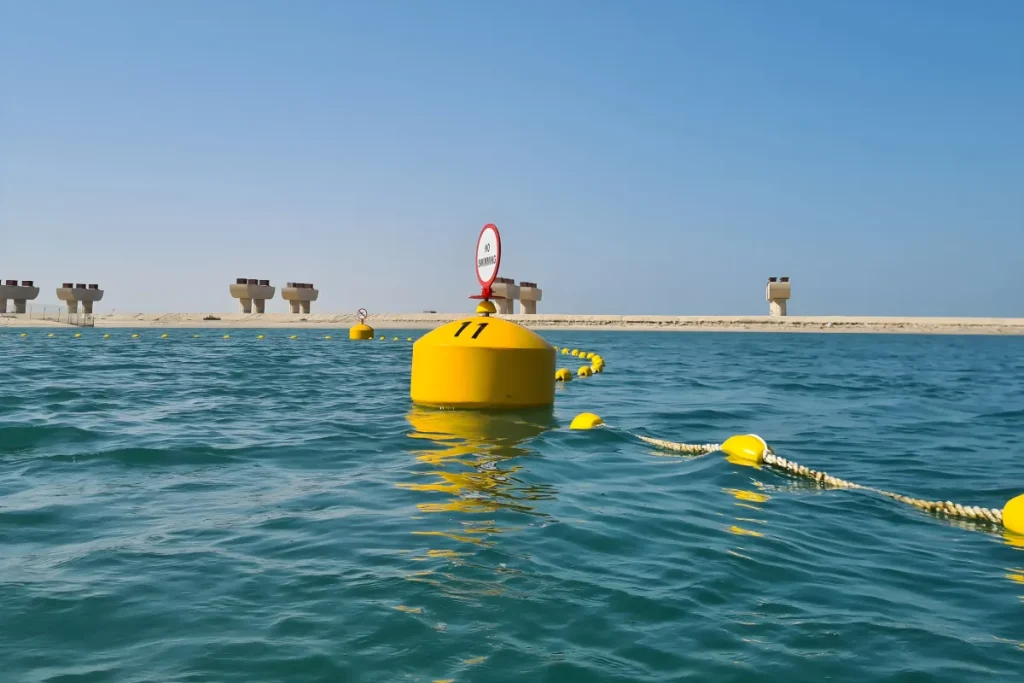
Marking swimming and boating areas
Model & comparision |
CAB | TCB | Hemi Ball |
|---|---|---|---|
| Steel Tube Connector | No | Yes | No |
| Steel Wire Rope Connector | Yes | No | Yes |
| UV-Stabilized Floats | Yes | Yes | Yes |
| Free Rotational | Yes | Yes | No |
| Customized Spacing | Yes | No | Yes |
| High Break Load | No | Yes | No |
| Long-Term Low Maintenance | Yes | Yes | No |
Our partnerships include companies specializing in marine barriers for environmental, safety, and security purposes. Together, we are committed to setting new standards in the railway and marine industries, driving progress, and delivering exceptional value to our customers.


ADOR Tech has successfully delivered and installed Canoe Booms (CAB400) for Norwich Dam located in Ontario, Canada.

To provide a safe zone at Lac L’Heureux Dam, located in Saint Colomban, Quebec, we deliver Canoe Booms (CAB400) as a solution for highly durable permanent waterway barrier.

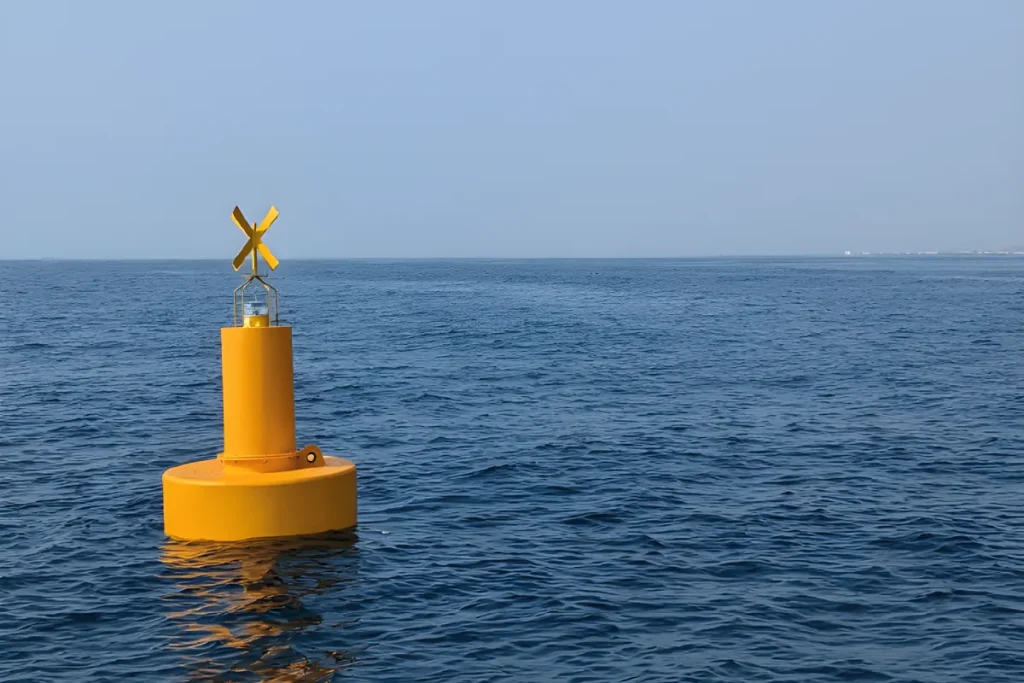
To meet the Toogood Pond Dam safety requirements and expectations, we offer Canoe Booms (CAB400), equipped with a mooring buoy with warning signage on top to provide a safe area.
Yes. Floating barrier system is fully customizable. They can be designed with grab handles, self-rescue lines, graphics, and signages.
Dam boom or waterway barrier can be equipped with Hi-vis steel tape on its floats to reflect lights at night, ensuring maximum visibility.
Yes. A passing gate can be designed on watercraft safety boom to allow the registered ones to pass.
Yes. Water traffic control systems can be designed with HDPE floats in demanding conditions.
Waterway Barrier is one of the best solutions to prevent watercraft from passing through and provide a safer area. Some marine zones are required to be restricted, like dams, rivers, and waterways, spillways, hydropower facilities, and industrial canals. A water boom barrier acts as both a visual deterrent and physical blockade. Their visibility, buoyancy, and resistance to impact and harsh weather make them essential infrastructure for marine and inland waterways.
Navigating and boating near dams, spillways, and industrial canals can be hazardous. The water flow can easily change the direction of watercrafts and gets their control away. In such situations, waterway barriers play a vital role by creating a boundary, preventing watercraft from passing through. The key purposes of a dam boom are preventing vessels from drifting into hazardous or off-limits zones, meeting safety and operational requirements for dams and hydropower stations, deterring intentional trespassing or vandalism in restricted areas, and avoid unexpected downtime due to unauthorized access.
Canoe boom is designed with Polyethylene float units connected together with steel wire ropes while traffic control boom is engineered with Polyethylene float units connected with steel tube. Therefore, the main difference between canoe boom and traffic control boom is their application: canoe boom is used for small crafts, but traffic control boom is ideal for any type of watercraft. The more break-load traffic control water boom barrier offers make it suitable for heavy-duty applications.
Waterway barrier is a critical system that provides a safer marine zone. To choose the right river boom or dam boom, it is required to know what watercraft types will be prevented, what environmental condition it will be installed in, and what challenges the site may have. Proceeding with all of these factors leads you to choose the right model of watercraft safety boom with the maximum performance and efficiency.